
Loading...
Serving Lancaster, CA and surrounding areas(661) 952-4736
Lancaster Insulation Company serves Littlerock, CA with wall insulation, attic upgrades, blown-in insulation, and air sealing along the Pearblossom Highway corridor. This rural high-desert community sits 11 miles southeast of Palmdale with a housing stock dominated by 1980s and 1990s tract homes that were built under older, less demanding energy codes. Summer temperatures reach the triple digits; winter nights drop below freezing. Our crew has completed insulation work throughout the Antelope Valley since 2022, with over 450 jobs across the region.
Littlerock is a census-designated place covering about 1.8 square miles on the western edge of the Mojave Desert, situated along Pearblossom Highway (State Route 138), which runs through the community as its main artery. Historically known as “The Fruit Basket of the Antelope Valley,” the area built its identity around orchards of apples, pears, peaches, and almonds that lined the highway in the early twentieth century. That agricultural character survives today in roadside fruit stands and in destinations like Charlie Brown Farms, which has anchored the Pearblossom Highway commercial strip since 1929.
The residential landscape is low-density and spread out, with single-family homes on larger lots set back from the road. Most of the housing stock dates to the 1980s and 1990s rapid-growth period, when construction in the broader Palmdale and Lancaster market prioritized speed over tight building envelopes. To the south, the San Gabriel Mountains rise at the edge of the community; to the north, the terrain flattens into open high-desert.
Our service area extends northwest to include Palmdale, where we schedule Littlerock and Palmdale visits on the same run along the Highway 138 corridor. We are equally familiar with both communities and the property types in each.
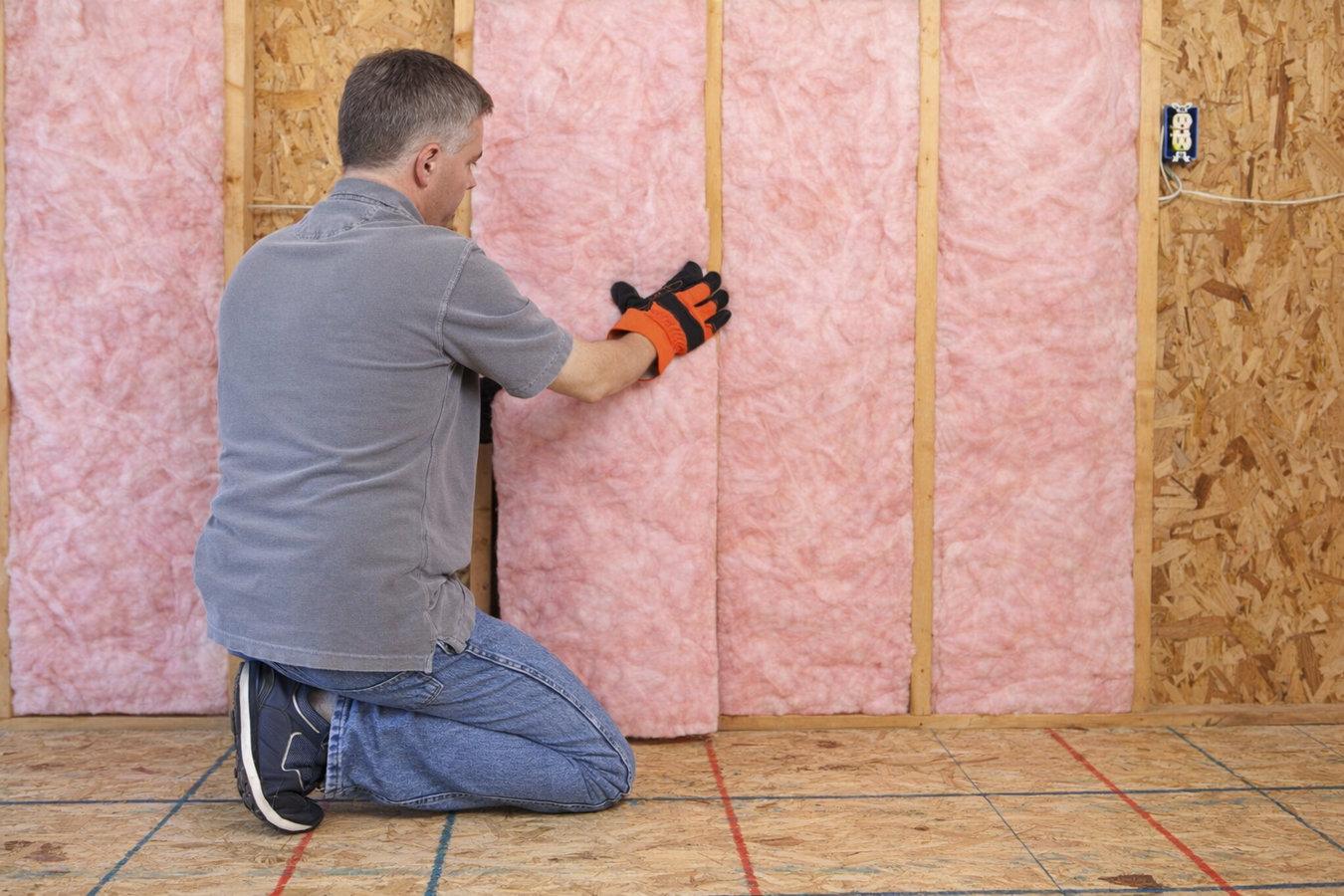
A large portion of Littlerock's housing stock still carries original R-11 fiberglass batts installed during the 1980s and 1990s build-out — well below current Climate Zone 14 requirements. Dense-pack blown-in is the most practical retrofit option for these finished stucco-exterior homes, improving thermal performance without opening up finished walls.
Loose-fill blown-in is the go-to method for bringing Littlerock attics up to current energy code in a single visit. It installs over existing material, adapts to any joist layout, and is well-suited to the wide, single-story ranch floor plans common throughout this community.
Littlerock summer highs push past 100 degrees, and an under-insulated attic turns a home into an oven. Upgrading to R-38 or above makes a direct difference in how hard the air conditioner works from June through September, which shows up clearly in monthly electricity bills.
Pearblossom Highway sits in the Antelope Valley wind corridor. Wind-driven air infiltration through gaps at top plates, electrical outlets, and window framing bypasses insulation entirely. Thorough air sealing before or alongside wall work is especially important in Littlerock homes.
Palmdale is 11 miles northwest of Littlerock along Highway 138. We schedule jobs in both communities on the same route and are familiar with the property types throughout the corridor. No separate mobilization fee for Littlerock residents.
For Littlerock homeowners who want the highest R-value per inch and a built-in air barrier, closed-cell spray foam is worth considering. It is particularly effective at the rim joist and in tight crawl space wall cavities where batts leave gaps. The cost is higher, but the performance gap is real in Climate Zone 14.
Littlerock sits at the edge of the western Mojave Desert, where the climate demands more from a home's thermal envelope than most of Southern California. Summer highs regularly top 100 degrees along Pearblossom Highway; winter nights drop to the mid-20s. That daily and seasonal range puts homes in the unusual position of needing insulation to work hard in both directions — blocking heat gain through most of the year and slowing heat loss through the cold months.
Lancaster averages close to 70 frost mornings per year, and Littlerock, sitting at a similar elevation, shares that pattern. Most homes in the community were constructed under the 1980s California energy codes, which set minimum R-values well below what the 2022 Title 24 standards require for Climate Zone 14 today. The wall assemblies in these homes — typically 2x4 framing with R-11 fiberglass batts — were already marginal at construction. After three or four decades, batts that have settled, shifted, or absorbed dust from the valley's notorious wind events perform even worse.
The Antelope Valley wind corridor adds a layer of demand that coastal-area contractors often underestimate. Strong seasonal winds push air through gaps in wall assemblies at a rate that insulation alone cannot address. Sealing penetrations at the top plate, electrical boxes, and window framing alongside any wall upgrade is not optional in this environment — it is the step that makes the insulation actually perform to its rated value.
The crew that works in Littlerock regularly pulls permits through Los Angeles County's unincorporated jurisdiction rather than a city building department — a meaningful procedural difference from neighboring Lancaster or Palmdale, where permit applications go to separate municipal offices. Knowing which counter handles which project scope saves time and prevents submitting to the wrong authority.
Pearblossom Highway is the community's spine, and most of the homes we service sit on the residential streets that branch north and south from it. The housing lots here are noticeably larger than what you find in Lancaster's subdivisions closer to the freeway — wide setbacks, occasional outbuildings, and in some cases unpaved driveways that require planning for equipment access on job day. Recognizable local landmarks along the route include the iconic Charlie Brown Farms roadside complex at 8317 Pearblossom Highway, which has been a fixed point on this corridor since 1929.
Our service area also covers Lake Los Angeles and Quartz Hill, two other unincorporated communities in the western Antelope Valley with similar housing stock and permit processes. We schedule work across all three communities on the same geographic corridor.
Reach out by phone or through the contact form. We respond within one business day and ask a few questions about your home and the scope you have in mind — wall work, attic, or a combination.
We come to your property, measure the wall and attic areas, check access conditions, and confirm what material meets Title 24 Climate Zone 14 requirements for your project. The estimate is provided in writing with no obligation, and we explain the cost factors clearly before any commitment is made.
The crew arrives on the scheduled date and works through the agreed scope. Dense-pack blown-in wall work on a single-story Littlerock ranch home typically completes in one day. You do not need to leave the house; clearing furniture a few feet from exterior walls ahead of time speeds the process.
Holes are patched and the work area is cleaned before we leave. If the project required a permit, we handle the inspection scheduling. We are available by phone if questions come up after the job is done.
We respond within one business day and come to your Littlerock home at no charge for the assessment. There is no obligation after the estimate, and we explain every cost factor before any commitment is made.
(661) 952-4736Spray polyurethane foam that expands into gaps to create an airtight thermal barrier in walls, roofs, and crawl spaces.
Learn moreAttic insulation upgrades that reduce heat transfer through the roof deck and keep indoor temperatures stable year-round.
Learn moreLoose-fill cellulose or fiberglass blown into attics and enclosed cavities for fast, even coverage without major demolition.
Learn moreWhole-home insulation assessments and installs addressing every area where conditioned air is lost.
Learn moreSafe extraction of old, damaged, or contaminated insulation before a new installation or remediation project.
Learn moreInsulation and encapsulation under the floor to prevent moisture intrusion and thermal loss from below.
Learn moreRetrofit and new-construction wall insulation that improves thermal performance and reduces outside noise.
Learn moreIdentification and sealing of air leaks around penetrations, rim joists, and top plates to tighten the building envelope.
Learn moreBasement wall and rim joist insulation that controls moisture and reduces heat loss in below-grade spaces.
Learn moreHigh-density closed-cell spray foam with a high R-value per inch, vapor resistance, and structural rigidity.
Learn moreSofter, lower-density open-cell foam ideal for interior walls, sound dampening, and attic applications.
Learn moreTargeted air sealing of the attic floor plane to stop conditioned air from escaping into unconditioned attic space.
Learn moreHeavy-duty poly sheeting installed on crawl space floors and walls to block ground moisture from entering the home.
Learn moreVapor retarder installation in walls, crawl spaces, and basements to manage moisture and prevent mold growth.
Learn moreInsulation added to existing homes without full demolition, using dense-pack or injection techniques.
Learn moreCommercial-grade insulation for warehouses, office buildings, and retail spaces to meet energy codes and reduce operating costs.
Learn moreServing these cities and communities.
Call or submit a request today and get a written estimate for your home along the Pearblossom Highway corridor.